Ali Hasan
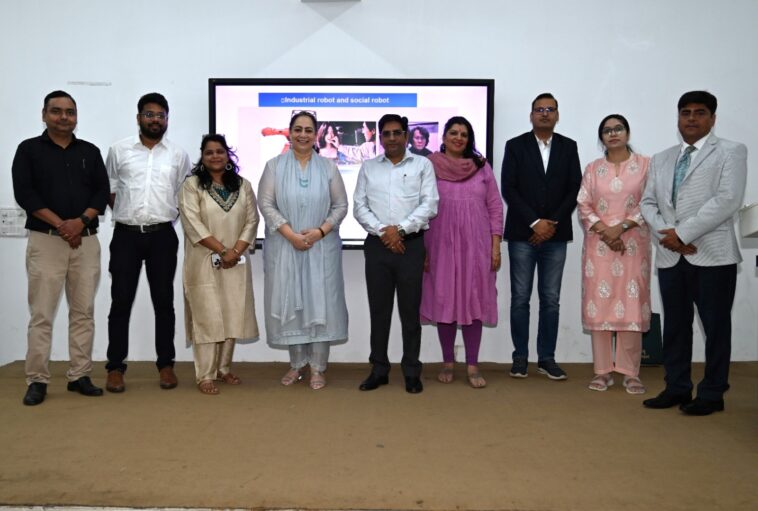
Two-day initiative in Lucknow brings together startup mentors, financial experts and social entrepreneurs, while sessions by Scrapshala’s Shikha Shah and Jyotsna Kaur Habibullah encourage students to explore circular economy, agritecture, women’s entrepreneurship and rural livelihoods.
By StartupTrak | Lucknow | 15 October 2026
Can a discarded piece of paper become a useful product? Can a mango orchard become a destination for sustainable tourism? And can an idea developed in a classroom evolve into a commercially viable startup that creates jobs and benefits society?
These questions captured the spirit of the Student Startup Awareness & Innovation Promotion Program, organised by the Navachar Incubation Centre at the Faculty of Architecture and Planning (FOAP), Dr. A.P.J. Abdul Kalam Technical University (AKTU), Lucknow, on 13 and 14 October 2026.
Held under the theme “From Ideas to Enterprise – Start Building Your Tomorrow,” the two-day programme brought students into conversation with entrepreneurs, startup mentors, financial-sector representatives and professionals working at the intersection of innovation, design and sustainable development.
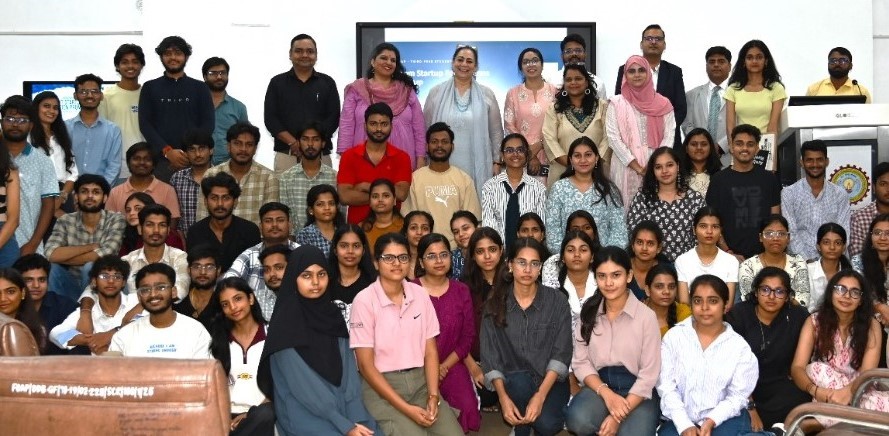
The programme sought to encourage students to look beyond academic ideas and understand the practical steps involved in establishing a business, identifying market opportunities, securing financial support and developing solutions to real-world problems.
For architecture and planning students in particular, the discussions presented an opportunity to explore how their professional skills could contribute to entrepreneurship, resource efficiency, environmental responsibility and community development.
StartupTrak, a media platform covering startups, entrepreneurship and innovation, served as the Digital Media Partner of the programme.
Building an entrepreneurial mindset among students
The programme reflected a growing need to introduce entrepreneurship and startup development within academic environments. While students often develop creative concepts and innovative designs, converting these ideas into sustainable enterprises requires an understanding of business models, customer needs, market access, finance and regulatory compliance.
The sessions addressed these interconnected aspects of entrepreneurship through discussions led by experts from different professional backgrounds.
The programme was organised under the leadership of AKTU Vice Chancellor Prof. (Dr.) J. P. Pandey and the guidance of Prof. (Dr.) Vandana Sehgal, Principal and Dean, FOAP, and Prof. (Dr.) Ritu Gulati, Head of the Department.
The event was coordinated by Ar. Gaurav Singh, Ar. Deepti Sagar, Ar. Priyanka Rastogi and Mr. Ankit Jain.
The programme’s broader objective was to encourage students to identify problems, develop innovative solutions and understand how these solutions could become viable businesses. It also highlighted the role of incubation centres, institutional support and mentorship in helping aspiring entrepreneurs navigate the early stages of venture development.
Startup mentors highlight strategy, compliance and funding
The programme featured sessions on startup development, business strategy, institutional support and financing, providing students with an introduction to the different requirements of building a business.
Vikas Kalra, a strategic consultant and startup ecosystem mentor, discussed the importance of strategic planning, industry collaboration and effective leadership. His session highlighted how institutions can support aspiring innovators by providing access to resources, guidance and opportunities to engage with industry.
Dr. Anuj Kumar Sharma, Associate Dean (Innovation) at AKTU, emphasised the importance of cultivating an innovation-driven mindset within academic institutions. He highlighted the role of incubation facilities, mentorship and institutional support in helping students transform creative ideas into practical solutions and successful startups.
Sachin Modi, Assistant General Manager at the Small Industries Development Bank of India (SIDBI), discussed startup financing and institutional funding mechanisms. His session covered the Startup India Fund of Funds 2.0, Uttar Pradesh’s startup funding initiatives and other financial support opportunities relevant to emerging entrepreneurs.
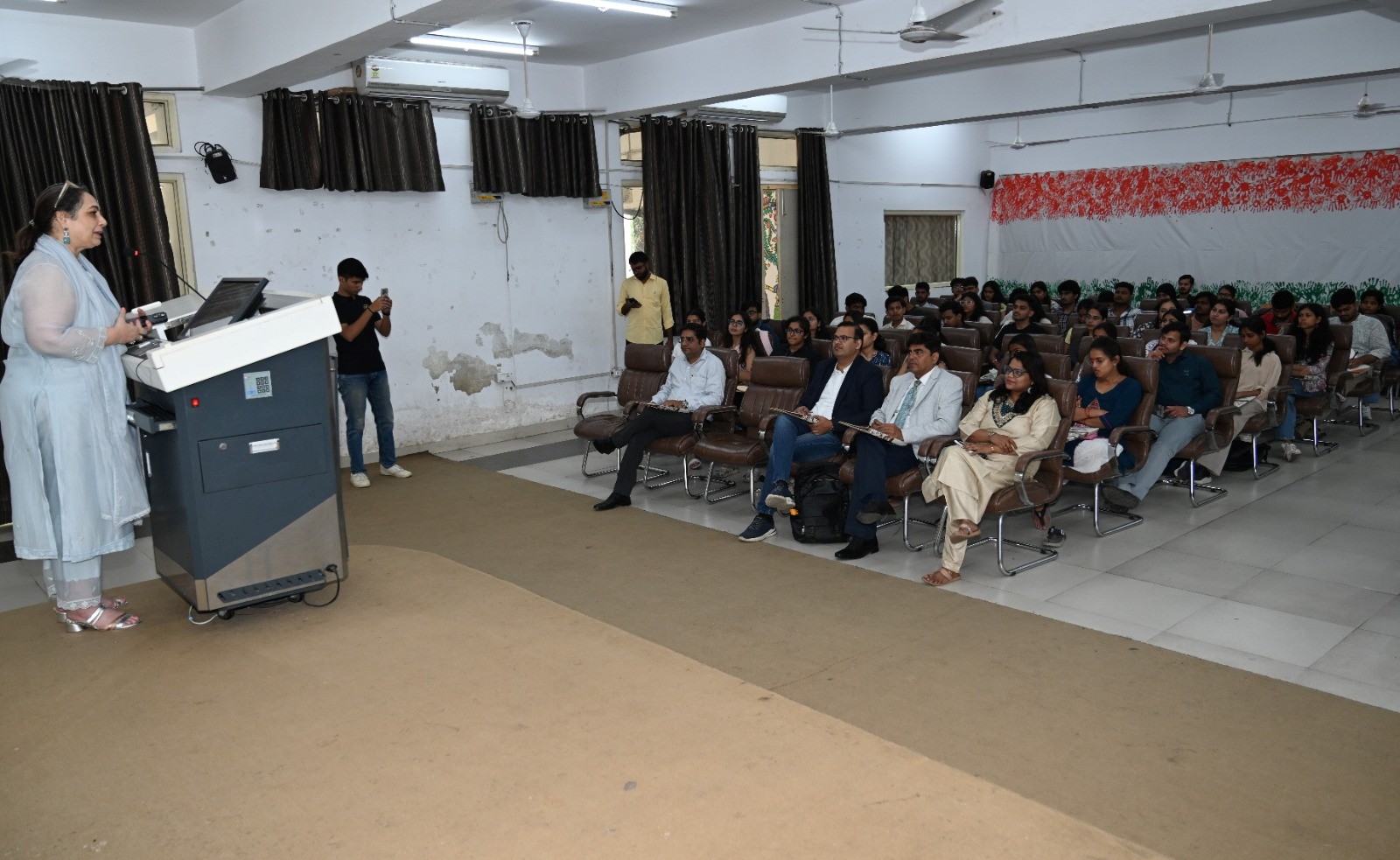
The discussion underlined the importance of financial planning and understanding funding options when developing a business.
Sunil Jaiswal, Co-founder of Mr. Professional, former professional associated with IIM Lucknow and HDFC Bank, and a Startup India mentor, shared practical insights into startup registration, statutory compliance and business development. He discussed the importance of identifying market opportunities, choosing appropriate business models and understanding the challenges faced by early-stage entrepreneurs.
Together, these sessions provided students with a wider understanding of the entrepreneurial journey, from identifying an opportunity and developing a business proposition to addressing compliance requirements and exploring financial resources.
However, the programme also looked beyond conventional startup discussions. Two particularly relevant themes emerged through the contributions of Scrapshala’s Shikha Shah and social entrepreneur Jyotsna Kaur Habibullah: creating economic value from discarded materials and developing businesses that connect sustainability with community livelihoods.
Shikha Shah of Scrapshala demonstrates the business potential of waste
For students of architecture and design, materials are central to the creative process. Yet the lifecycle of those materials, the waste generated during production and consumption, and the possibilities of reuse are equally important considerations.
Shikha Shah, Founder and CEO of Scrapshala, brought these questions into the startup conversation by sharing her entrepreneurial journey of transforming discarded materials into innovative lifestyle and décor products.
Scrapshala, a Varanasi-based sustainable enterprise featured on Shark Tank India, works at the intersection of upcycling, creative design and responsible resource use.
Its approach illustrates how materials traditionally treated as waste can be reconsidered as resources for product development. Through creative design and appropriate processing, discarded materials can acquire new functionality and commercial value.
Shah’s session highlighted the principles of the circular economy, responsible consumption and sustainable product development. Rather than treating waste as the inevitable endpoint of consumption, the circular-economy approach encourages the recovery, reuse and productive circulation of materials.
For aspiring entrepreneurs, this perspective presents an opportunity to explore businesses built around resource recovery, sustainable products and alternative approaches to manufacturing and consumption.
Students get hands-on experience in sustainable design
A major highlight of the programme was the sustainable design and waste-upcycling workshop conducted by Shikha Shah on 13 October. Approximately 80 students participated in the workshop, engaging in do-it-yourself activities using discarded and reusable materials.
The activities included:
- Paper mache lamp making: Using paper and reusable materials to develop decorative lighting products.
- Vision board creation: Designing personalised boards to represent aspirations, goals and creative ideas.
- Upcycled photo frame making: Transforming discarded materials into functional and visually appealing photo frames.
- Textured seed paper making: Exploring the creation of textured, seed-infused paper while combining craft and environmental awareness.
The workshop provided practical exposure to eco-design, material reuse, resource efficiency and sustainable craft practices.
For architecture students, such exercises offer a way to connect design thinking with questions of material selection, waste reduction and product functionality. They also demonstrate how experimentation with everyday materials can inspire new products and potential business opportunities.
The activities encouraged students to move beyond theoretical discussions of sustainability and experience how discarded materials can be reimagined through practical design interventions.
Scrapshala’s wider interactive engagement
The programme’s Scrapshala engagement also included an interactive session conducted by Madhu Shah, Founder of the decade-old organisation, which has been working to advance upcycling and sustainable livelihood creation.
Engaging approximately 100–150 students, the session encouraged participants to examine traditionally discarded materials through the lens of design, innovation and purpose.
The discussion explored the importance of upcycling, the business potential of transforming waste into useful products and the application of design principles to create meaningful and functional outcomes.
The session was followed by hands-on activities involving the upcycling of electronic waste and paper waste. Students also created vision boards using discarded materials, gaining practical exposure to creative reuse and responsible resource utilisation.
The activities were facilitated by Ms. Madhu Shah, Mrs. Madhusha and Mr. Anish Kumar from the Scrapshala team.
The central message was that waste need not be viewed only as an environmental problem. When approached through design, creativity and enterprise, it can also become a starting point for innovation, livelihood creation and sustainable business development.
The workshop led by Shikha Shah and the interactive session described by the Scrapshala team represent separate session details in the programme materials.
Jyotsna Kaur Habibullah explores sustainable startups, agritecture and rural tourism
If Scrapshala demonstrated how discarded materials can acquire new value, Jyotsna Kaur Habibullah, Founder of Lucknow Farmers Market (LFM), expanded the discussion to the relationship between entrepreneurship, agriculture, architecture and community livelihoods.
A social entrepreneur and philanthropist, Habibullah addressed students on the theme “From Ideas to Enterprise: Building an Ecosystem for Sustainable Startups.”
Her session focused on sustainable design, women’s entrepreneurship, rural livelihoods and the importance of building an enabling ecosystem in which emerging businesses can establish themselves and grow.
Addressing architecture students, she emphasised that the environmental consequences of design decisions must be considered alongside aesthetics, functionality and cost.
Eco-friendly building materials, resource conservation, waste reduction and the integration of nature into the built environment can contribute to healthier and more sustainable spaces.
For future architects, this perspective expands the role of design beyond constructing buildings. It invites them to consider how buildings and neighbourhoods interact with food systems, natural resources and the communities that use them.
Agritecture: Integrating agriculture with architecture
One of the key concepts discussed during Habibullah’s session was agritecture, which brings together agriculture and architecture.
The concept explores how buildings can become productive ecosystems rather than functioning solely as spaces for habitation or work.
Vertical farming, rooftop gardens and aquaponics are examples of approaches that can integrate food production into urban environments. Such systems can bring food production closer to consumers, improve access to locally grown produce and potentially reduce the environmental costs associated with transporting food over long distances.
Green spaces and vegetation can also contribute to healthier urban environments and help address challenges associated with heat and air pollution.
For architecture students, these ideas offer opportunities to explore new design approaches that combine the built environment with food production and resource efficiency.
The broader implication is that sustainability can be integrated into the planning and design of spaces from the outset, rather than being treated as an additional feature after construction.
Rural tourism as an opportunity for local enterprise
Drawing on her work at the Rural Livelihood Centre in Saidanpur, Barabanki, Habibullah encouraged students to explore the potential of sustainable rural tourism.
She invited them to consider developing environmentally responsible tourist structures within mango orchards, using materials and designs that harmonise with the natural landscape.
Such structures could provide visitors with opportunities to experience rural life, agriculture, local culture and the natural environment.
At the same time, thoughtfully planned rural tourism could create additional sources of income for local families and generate opportunities for people engaged in agriculture, crafts, hospitality and related services.
The concept brings architecture and entrepreneurship together. Students can apply their design skills to develop spaces that serve visitors while respecting the surrounding environment and creating economic value for rural communities.
It also highlights the possibility of linking tourism with agricultural experiences, local products and traditional knowledge.
The objective is not simply to create tourist infrastructure, but to explore a model in which rural tourism supports livelihoods and strengthens the local economy.
Lucknow Farmers Market and the importance of market access
Drawing from her experience of building Lucknow Farmers Market, Habibullah emphasised that a promising idea alone is not sufficient to build a successful startup.
Entrepreneurs also need access to markets, mentorship, networks, visibility, institutional support and opportunities to connect with customers.
Through LFM, she has worked to connect farmers, artisans, women entrepreneurs, grassroots enterprises and emerging businesses with wider markets. The platform provides opportunities for producers to showcase their products, develop their brands and reach consumers.
This market-linkage approach is particularly relevant for small producers and grassroots enterprises that may possess valuable skills, products and traditional knowledge but have limited access to organised markets.
By helping such businesses reach customers, market platforms can contribute to enterprise development while strengthening local production networks.
Habibullah initiated Lucknow Farmers Market in 2015 and has worked to build an ecosystem that supports local producers and promotes sustainable businesses.
Her wider experience includes approximately 30 years in international marketing across Dubai, London, Mumbai and Delhi, bringing expertise in branding, marketing and business development to her work with entrepreneurs.
Women’s entrepreneurship and inclusive growth
Another important dimension of Habibullah’s session was the role of women in entrepreneurship and sustainable livelihood creation.
She highlighted the need to create opportunities for women, particularly those from rural communities and grassroots enterprises, to transform their skills, traditional knowledge and local resources into viable businesses.
Access to markets, business support and greater visibility can help women develop independent enterprises, expand their customer base and strengthen their economic independence.
Her work with rural communities in Uttar Pradesh includes initiatives related to women’s empowerment, skill development, health, sanitation, menstrual hygiene and sustainable livelihoods.
Habibullah is also the Founder of the Awadh Mango Growers Association and the Uttar Pradesh Mango Festival. Her work connects agriculture, entrepreneurship, traditional knowledge and rural economic development.
She also founded the FICCI FLO Lucknow and Kanpur chapters and has contributed to initiatives promoting women’s entrepreneurship and leadership.
The underlying message of her session was that entrepreneurship can create meaningful social and environmental impact when business innovation is connected with local resources, community needs and opportunities for inclusive growth.
What the programme means for aspiring entrepreneurs
The two-day programme brought together several dimensions of entrepreneurship that are often considered separately: startup registration, finance, strategic planning, design, sustainability, market access and social impact.
The sessions demonstrated that a startup ecosystem depends not only on individual founders but also on the networks, institutions and opportunities that help entrepreneurs turn ideas into operating businesses.
For students, understanding statutory compliance and funding mechanisms is important. Equally important is learning to recognise unmet needs, develop products that customers value and establish a sustainable business model.
Shikha Shah’s work with Scrapshala demonstrated the potential of creative reuse and circular-economy principles to inspire products and businesses. Jyotsna Kaur Habibullah’s session showed how market access, sustainable design, rural tourism and community participation can be connected to enterprise development.
Together, these examples offered architecture and planning students a broader perspective on the possible applications of their skills.
Design can contribute not only to buildings and physical spaces but also to product innovation, environmental responsibility, rural development and livelihood creation.
The programme encouraged students to view entrepreneurship as a practical route for addressing real-world challenges while developing commercially viable and socially responsible solutions.
Strengthening the startup ecosystem through academic engagement
The initiative reaffirmed the role of the Navachar Incubation Centre and FOAP-AKTU in promoting innovation, entrepreneurship, experiential learning and sustainable development.
By bringing professionals from diverse fields into direct interaction with students, the programme provided exposure to different entrepreneurial journeys, business challenges and models of innovation.
The combination of expert discussions and practical workshops also underscored the value of experiential learning. Students were able to engage with both the strategic aspects of starting a business and the practical possibilities of turning creative ideas into products.
For Uttar Pradesh’s startup ecosystem, such academic engagement can help introduce students to entrepreneurship at an early stage and encourage them to explore opportunities beyond conventional career pathways.
The programme’s emphasis on sustainable enterprises also highlighted the potential for innovation to address environmental concerns while generating economic opportunities.
Ultimately, the journey from an idea to an enterprise requires more than creativity. It calls for an understanding of markets, financial planning, institutional support, responsible resource use and the needs of the communities a business intends to serve.
As the programme’s theme suggests, building tomorrow begins with the ideas, decisions and practical efforts undertaken today.
About StartupTrak
StartupTrak is a media platform focused on startups, entrepreneurship, innovation and the startup ecosystem. Through stories, news and insights, it seeks to connect emerging businesses with wider audiences and highlight developments shaping the entrepreneurial landscape.
StartupTrak served as the Digital Media Partner of the Student Startup Awareness & Innovation Promotion Program organised by Navachar Incubation Centre, FOAP-AKTU, Lucknow